

Countryside Holidays: What Kind of Stay Actually Fits?
A search for countryside holidays rarely means “just somewhere rural”. Underneath it there is usually something more specific: good walking, proper rest, family time that feels lighter, local food, strong atmosphere, a house with character, markets, good light, maybe even the simple wish to feel clearer again for a few days.
That is why rural travel works better when it stops being treated as one broad category. A countryside stay can be restorative, active, family-friendly, visually rich, food-led, or quietly all of those at once. The real question is not whether a place is rural. It is whether its rhythm fits the trip you actually want.
Calm, walking, and physical reset
Some trips are meant to get the body moving again without turning the stay into a training plan. Others are about sleep, fresh air, and the kind of recovery that comes from steady days rather than packed ones. Regions where landscape, paths, and simple forms of recovery come together tend to work especially well.
South Tyrol is a strong example. Mountains, farm stays, walking routes, and wellness sit close together there, which makes it especially convincing for trips shaped by both movement and retreat.
Salzkammergut works in a similar way, with a softer blend of lakes, villages, and mountains. Often the place itself carries the day: outside in the morning, back later, lunch, rest, maybe out again. No complicated structure needed.
The Bavarian Forest makes sense when hiking, wellness, fresh air, and simple planning matter more than dramatic altitude. It is a region that works through steadiness rather than spectacle. That is often exactly what people are looking for, even if they describe it differently at first.
Slovenia also belongs here. The landscapes are varied, routes are well marked, and much of the country still feels slightly calmer than the classic Alpine hotspots. That makes it especially appealing for outdoor-focused stays that should not feel overloaded.
What helps when choosing
The strongest match usually has less to do with “the best view” and more to do with daily flow.
Helpful places tend to offer:
- paths close by
- calm that feels real, not staged
- hosts who can explain what the area genuinely supports
- any recovery element woven naturally into the stay
- movement that fits into the day without friction
The best rural breaks in this category rarely feel spectacular. That is often a very good sign.
What makes a place visually strong
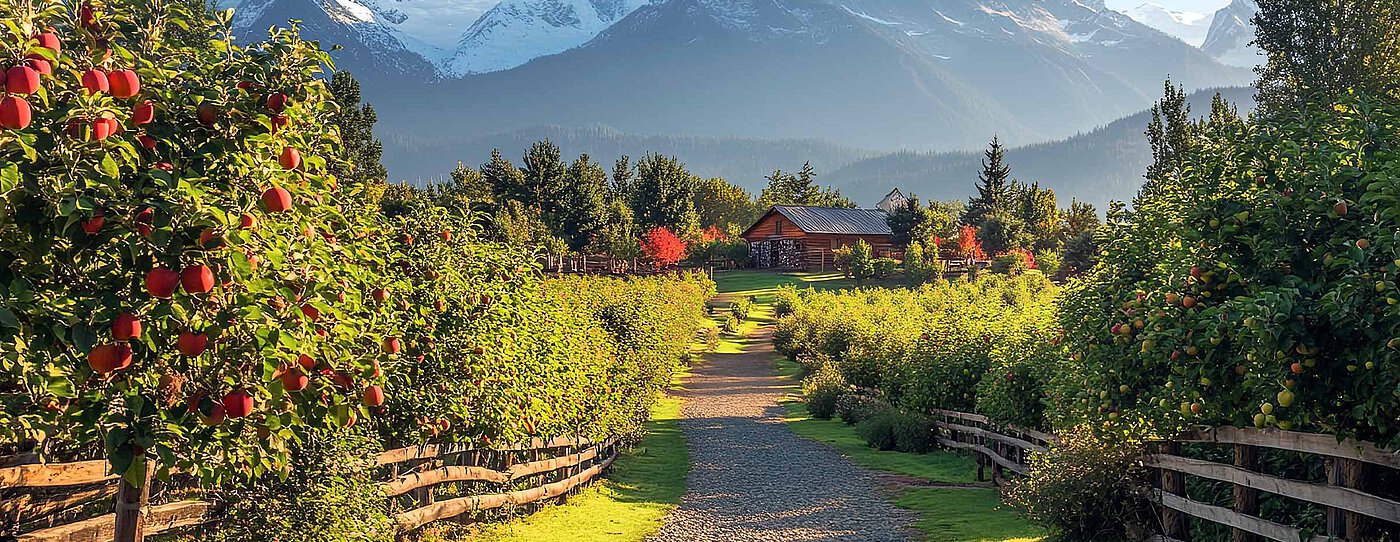
A single “spot” is never enough. What matters is depth. A place holds attention when it changes across the day, offers more than one perspective, includes visible local life, and stays interesting between the obvious motifs.
Light, atmosphere, and places that hold visual interest
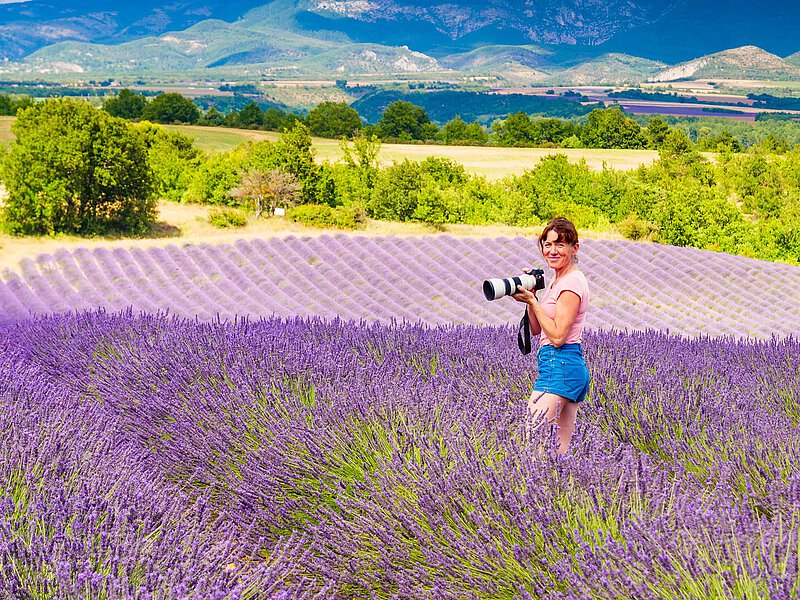
Some trips are shaped through the eye. Not in a shallow sense, but through the wish to be somewhere that keeps giving: weather, texture, architecture, work traces, markets, courtyards, harvest crates, bread on a table, shadow on stone, changing light. For visually oriented travellers (and that includes far more people than only content creators) the countryside often offers more depth than the city.
Istria is especially strong here. Landscape, old towns, local products, markets, and food culture sit close together. A stay works not through one postcard angle, but through many small transitions.
Alentejo in Portugal works with different strengths: openness, cork oaks, olive trees, long horizons, strong light, and silence. It does not fight for attention. That is part of why it stays in the mind.
Inland Andalusia brings together white villages, natural parks, dry light, courtyards, ceramics, products, and walking routes. Trips with a visual focus benefit from that layered mix, especially when the goal is atmosphere rather than staged perfection.
What makes a place visually strong
A single “spot” is never enough. What matters is depth.
A place holds attention when it:
- changes across the day,
- offers more than one perspective,
- includes visible local life,
- and stays interesting between the obvious motifs.
Accommodation for this kind of trip does not need sterile design. Natural light, useful outdoor space, materials with age and texture, and surroundings that still work in bad weather often matter far more than polished furniture.
What families usually need
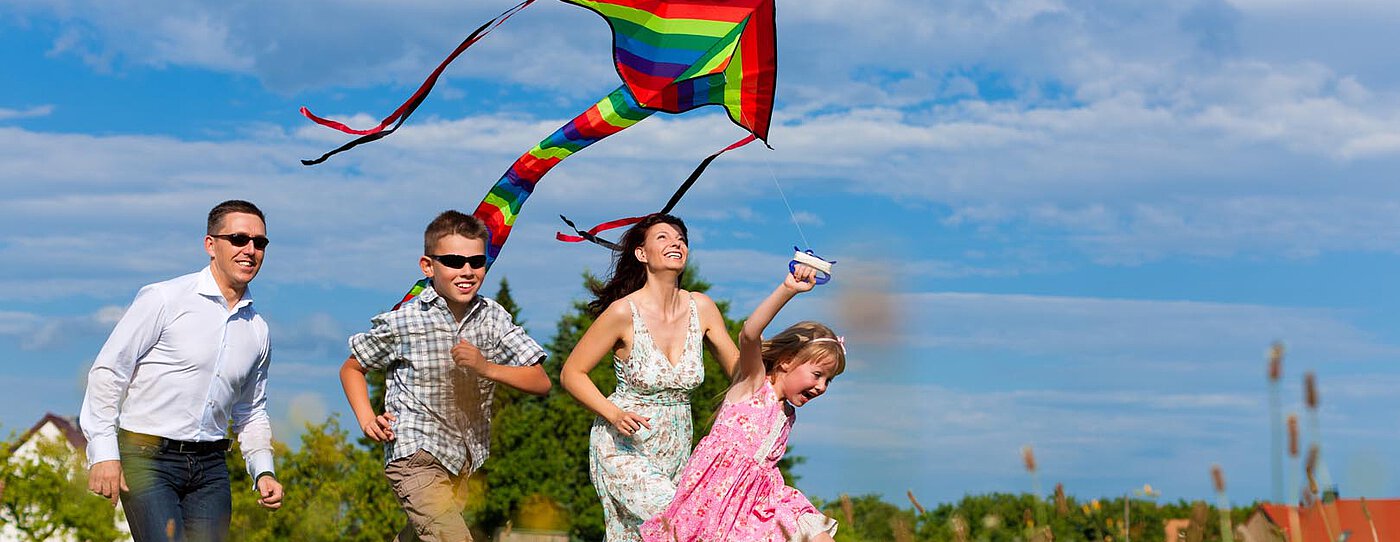
Helpful features include: safe outdoor areas, short distances, animals, gardens, or simple hands-on activities, practical sleeping arrangements, food that makes the day easier and hosts who understand family rhythms.
Family days that don’t feel over-managed
Many families choose countryside holidays because they want lighter days, not permanent entertainment. Children should be able to be outside. Adults should not have to plan every hour. This is one of the real strengths of rural stays.
The Bavarian Forest is a good example. Nature, family-friendly walking routes, and an environment where being outdoors does not become complicated work well together there.
Salzkammergut also makes sense when water, movement, family time, and calm need to coexist. It is the kind of region where different needs can live side by side, which matters more to many families than any big programme.
South Tyrol is especially strong when family time and farm stays belong together. Animals, landscapes, simple tasks, and outdoor days create a mix that feels convincing rather than staged.
What families usually need
Not every “authentic” place is automatically family-ready. Character alone is not enough.
Helpful features include:
- safe outdoor areas
- short distances
- animals, gardens, or simple hands-on activities
- practical sleeping arrangements
- food that makes the day easier
- hosts who understand family rhythms
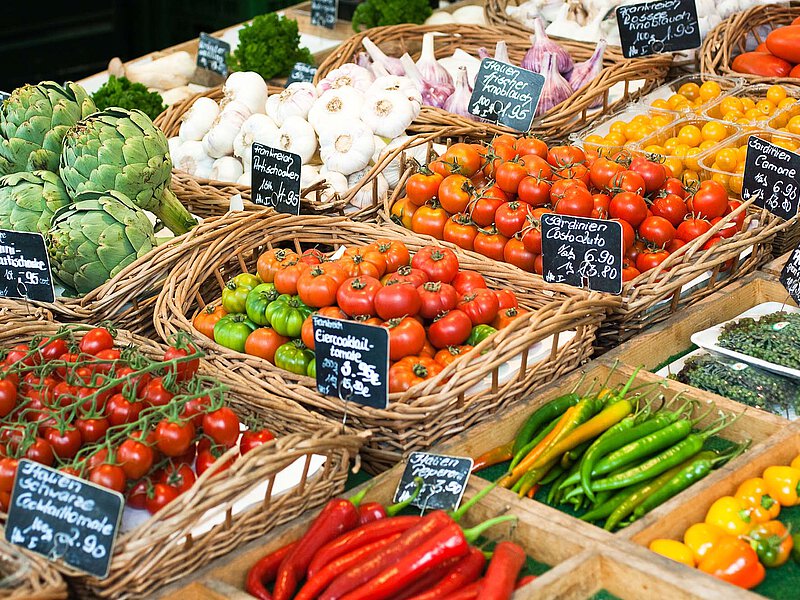
One more thing tends to matter more than people expect: regional food. Not as a performance, but as everyday life. Bread, eggs, fruit, cheese, soup, cake, market vegetables, olive oil, simple meals. Those things often stay in memory longer than any organised activity.
According to UN Tourism, rural tourism can be an effective tool for rural development when it supports local communities, culture, and the wider countryside economy.
Source: World Tourism Organization (2020), UNWTO Recommendations on Tourism and Rural Development
Which season changes what
The best season depends less on the calendar than on the real shape of the trip.
Spring suits walking, gardens, fresh light, and early markets. Summer works best where shade, water, and a good daily rhythm belong to the place.
Late summer and autumn often bring the richest combination of produce, markets, harvest, and warm light.
Winter fits retreat, stillness, sauna, clear air, and houses that can carry atmosphere on their own.
Many European rural regions show their strongest side outside peak season. That applies across hiking stays, family holidays, and visually led trips alike.
How the choice becomes easier
A good decision rarely starts with endless filters. A few clear questions help more:
- Should the day begin actively or slowly?
- Does nature need to start outside the door?
- Is the trip centred on family time, walking, visual work, food, or quiet?
- Is silence enough, or does recovery need a sauna, massage, bathing pond, yoga room?
- Should the place feel robust and practical, or more design-led?
- Does the region need to carry the stay through food, landscape, or atmosphere?
The clearer these answers become, the easier it is to move from a broad search term to a place that genuinely fits.
How we see it at Farmtravel
For us, a countryside holiday is not a decorative label. It becomes meaningful when the place matches the actual need. That may be physical reset, family ease, visual inspiration, local food, or simply a few days that make life easier to read again.
That is why we trust combinations more than grand promises: a region that links walking and calm, a farm that makes family life easier, a house that supports visual work without performing, a place where food, landscape, and daily rhythm actually belong together.
A good booking rarely begins with an abstract idea of “rural”. It usually begins at the point where a place feels right for the way the trip should feel.
Frequently asked questions
South Tyrol, Salzkammergut, the Bavarian Forest, and parts of Slovenia are especially strong because they combine landscape, accessible walking, and recovery in a believable way. South Tyrol brings together hiking, farm stays, and wellness; Salzkammergut mixes lakes, movement, and family-friendly infrastructure; the Bavarian Forest is clearly positioned for active, family, and wellness trips; Slovenia offers a very large network of marked trails.
Istria, Alentejo, and inland Andalusia are especially convincing here. Istria combines food culture, historic towns, and slower thematic routes; Alentejo is defined by light, openness, and regional depth; inland Andalusia brings together white villages, natural parks, and local food culture in a way that sustains more than one quick photo.
The strongest family stays make the day easier: safe outdoor space, short distances, hands-on nature, workable room layouts, and hosts who understand family rhythms. Regions such as the Bavarian Forest, Salzkammergut, and South Tyrol present exactly that combination of nature, family focus, and rural accommodation.
That depends on what the trip is for. Spring suits walking, gardens, and fresh light. Summer works best where shade and water are part of the place. Late summer and autumn often bring the richest mix of produce, harvest, and warm light. Winter works well where the house, landscape, and slower rhythm carry the stay. Regions like Salzkammergut and South Tyrol show this seasonal range very clearly.
The best decisions usually come from a few honest questions: should the day begin actively or slowly? Does nature need to start outside the door? Is the trip about family, quiet, food, visual atmosphere, or recovery? Once those answers are clear, the right place becomes much easier to recognise.
More inspirations
Why hugging a tree belongs in a countryside holiday
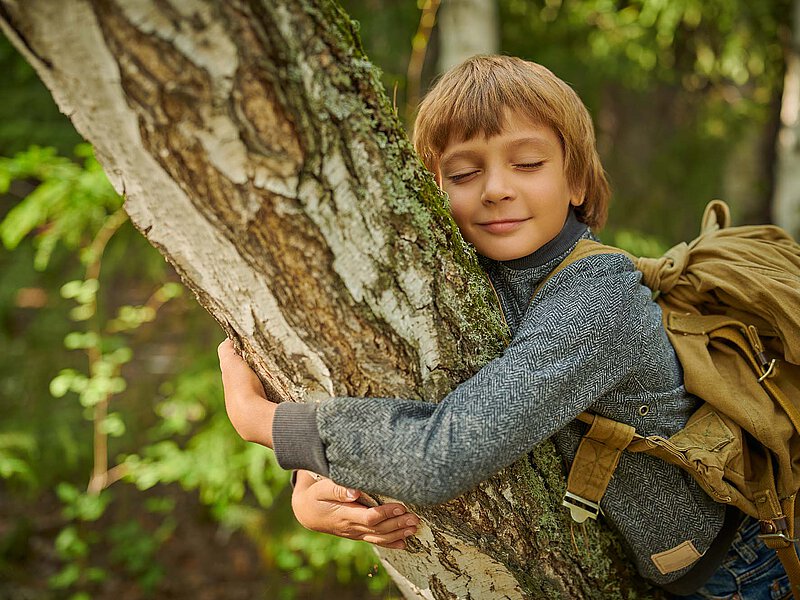
Most of us spend our days touching glass, screens and polished surfaces. A countryside holiday changes that quietly: bark, soil, grass, stone, rain,…
Eat where you travel: why local food matters on rural holidays
Many people travel to the countryside for calm, landscapes, real markets, good food, small places, a rhythm that does not keep demanding attention.…
Countryside Holidays: What Kind of Stay Actually Fits?
A search for countryside holidays rarely means “just somewhere rural”. Underneath it there is usually something more specific: good walking, proper…