


JOMO: The quiet joy of not being everywhere
Joy of Missing Out means skipping things on purpose — and making room to breathe.
Travel has been sold like a hunt for years. Viewpoints. Lists. Proof. As if a holiday only counts once it can be shown.
The strange part is this: the moments that stay are often the ones you can’t really show. They’re too small. Too quiet. Too uneven. And that’s exactly why they last.
At some point, someone sits somewhere — on a train, in a countryside kitchen, on a bench outside a house that doesn’t need a sign… and realises the mind is still running. Not because of distance. Because of expectation. Because of that small panic of missing something you don’t even truly want.
FOMO is odd. It turns free days into tasks. Places into backdrops. People into extras. The moment into raw material.
JOMO moves in the other direction. Not as a slogan, more like honest tiredness. A sentence that isn’t polished: today is enough. And suddenly that isn’t failure. It’s return.
To presence. To texture. To the parts of life that don’t ask for attention.
The pressure that travels with you
It’s surprising how much speed gets packed into a holiday — even when the goal is rest. Even when someone says “we’ll take it easy”, there’s often a hidden schedule: one more stop, one more photo, quick post so it doesn’t get lost.
That’s the trap: trying to capture the moment before it has even landed.
In summer, on busy coastlines, it can look almost harsh: people taking calls in the water, filming in the water, scrolling in the water. It isn’t evil. It’s habit. But it has the feel of a reflex — as if everything must become usable immediately, otherwise it doesn’t count.
What tends to matter most is the opposite: the things that don’t convert well into content. A long table conversation with no punchline. A slow change of light. The clink of dishes in a farmhouse kitchen. The smell of damp soil after heat.
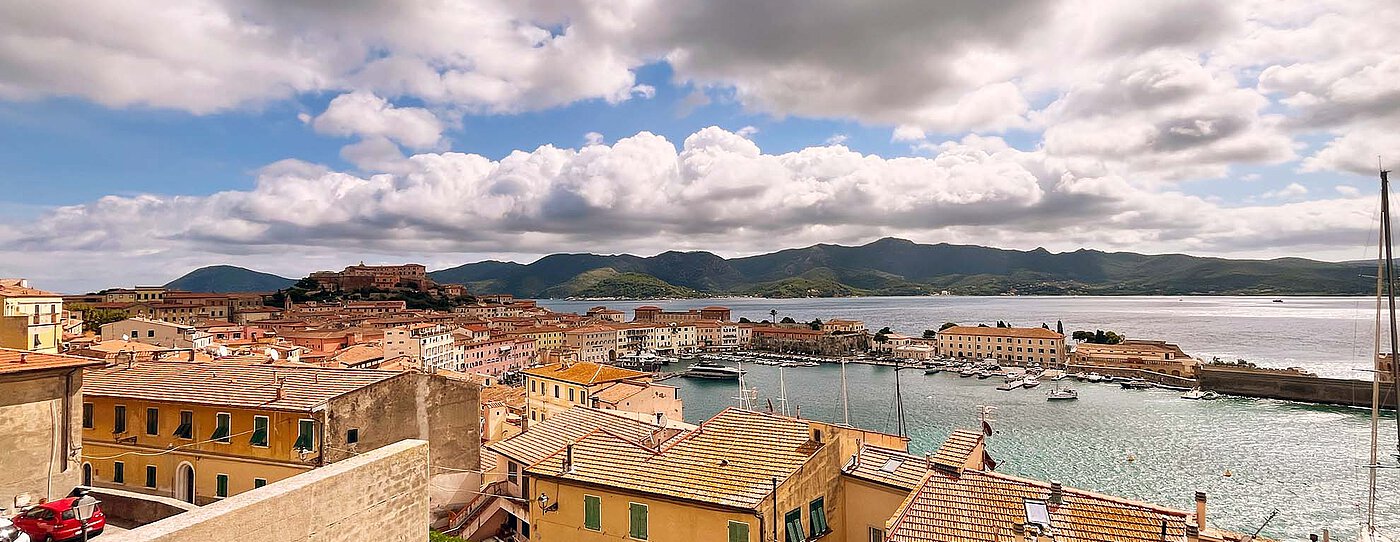
Care for places
Sharing less can reduce pressure. Not pinning every location can stop a place from becoming “the next spot”.
JOMO isn’t escape. It’s a choice.
JOMO is sometimes misunderstood as withdrawal, as curated loneliness, as “I’m above it all”. That’s not it. JOMO is a small, repeated decision.
- Not having to be everywhere.
- Not having to know everything.
- Not having to share everything.
And you don’t have to explain it all, either.
Some of the best travel moments work better unnamed. No hashtag. No rating. No “you must do this too”. Just a thing that happened — and wasn’t immediately taken apart.
Why the countryside helps
Rural places often come with lower stimulus built in. Not because nothing happens — but because what happens doesn’t shout “look at me”.
The day has a different grammar: weather, animals, meals, paths. Things that don’t look like highlights, but tell the nervous system: you can slow down now.
There’s also imperfection — the kind cities treat as inconvenience, but the countryside often treats as normal life. An early rooster. A muddy track. A connection that drops. Not a “digital detox concept”, just reality. And suddenly the phone isn’t banned. It simply slides down the priority list.
Not heroic. Almost casual. That’s why it works.
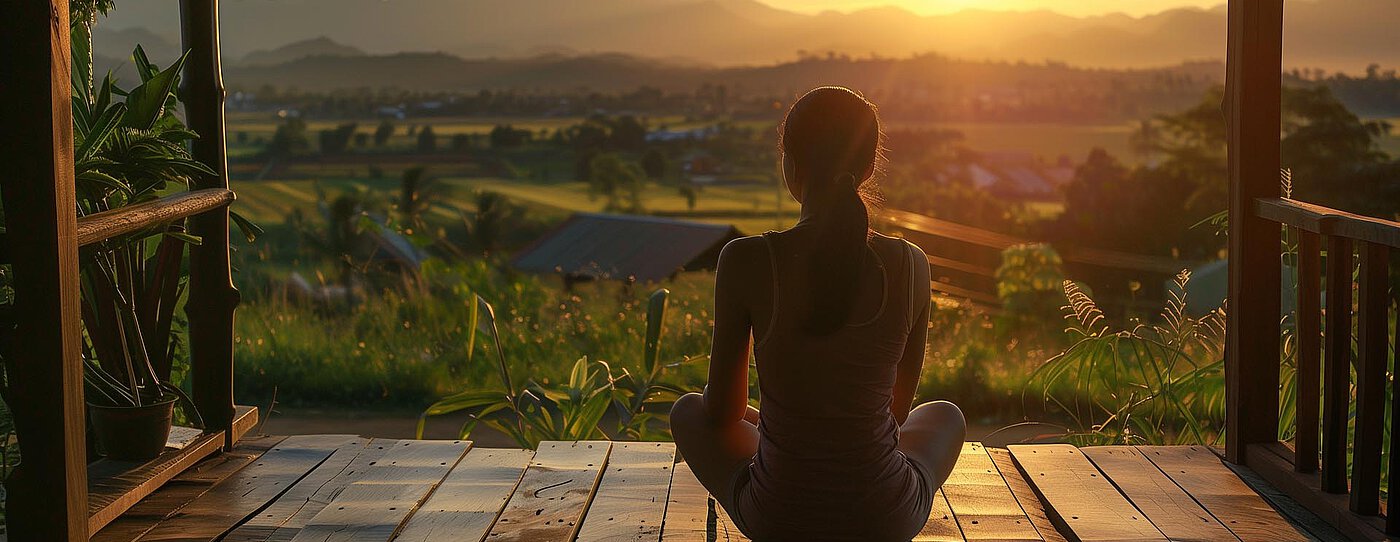
JOMO it’s a choice
Some of the best travel moments work better unnamed. No hashtag. No rating. No “you must do this too”. Just a thing that happened.
The second effect: care for places
JOMO has another side, one that doesn’t fit neatly into self-care language.
Sharing less can reduce pressure. Not pinning every location can stop a place from becoming “the next spot”.
It won’t solve overtourism alone. But it changes the dynamics: less sudden exposure, less surge, less “everyone must go now”. Sometimes that’s already a lot.
Some places are small. Not exclusive. Not secret. Just small — with limited water, limited infrastructure, limited patience.
Care can be very simple… understand first, share later. Or keep it to yourself.
Small JOMO moves
No grand rules needed. A few small moves help when the mind is still in “performance mode”:
- One anchor per day. That’s enough.
- One photo, then pocket the phone. Not forty versions.
- No live posting. If anything, later.
- One hour with no input. No podcast, no scrolling, no “in the background”.
- Skip one thing on purpose. Not because you couldn’t. Because you didn’t need to.
It sounds small. Almost too small. That’s why it’s doable. And why it works.
"Joy of Missing Out doesn’t mean missing your life. It means you don’t have to react to every signal."