

Not All Journeys Begin at the Airport
On lesser-known train routes, slower travel, and places worth reaching patiently
Some holidays start with momentum you didn’t ask for.
A queue, a gate number, a watch checked too often. You’re technically on your way and still, you already feel a bit spent.
Other journeys begin in smaller ways: a platform, a window seat, fields and fences sliding past at a pace that feels… normal. Not slow for the sake of it. Just human-speed.
Train travel doesn’t skip the in-between. It lives there.
Across Europe, many rural places don’t sit at the end of a glossy route. They sit between things. Between cities. Between “famous” stops. Connected by regional lines that rarely get a headline. These journeys aren’t designed to impress. They’re designed to carry you through real land.
When the journey becomes part of the holiday
Flying flattens distance. It flattens anticipation too. One moment you’re “here”, the next you’re “there”, and the middle disappears.
Trains give the middle back.
There’s room to arrive slowly. To watch the landscape change without anyone narrating it for you. Fields turn into hills. Hills flatten again. Villages appear, then drift away. You don’t land. You ease in, almost without noticing.
For rural stays, this matters more than people admit. Many farms, guesthouses, and countryside retreats aren’t meant to be “accessed” like a product. They’re reached via secondary stations, short walks, bike paths, a quiet road where nothing much happens. That last bit? It’s part of the reset.
Why some routes stay under the radar
Not every route wants to be optimised… and not everything should be.
Some train lines remain lesser-known because they don’t connect icons. They connect working regions: agricultural valleys, low mountain ranges, coastal hinterlands where life carries on whether anyone is filming or not.
These journeys don’t do highlights on demand. What they offer is continuity. Architecture changes gradually, crops shift. Accents soften. You notice things you wouldn’t post. And yes, oddly, those are the details that stick.
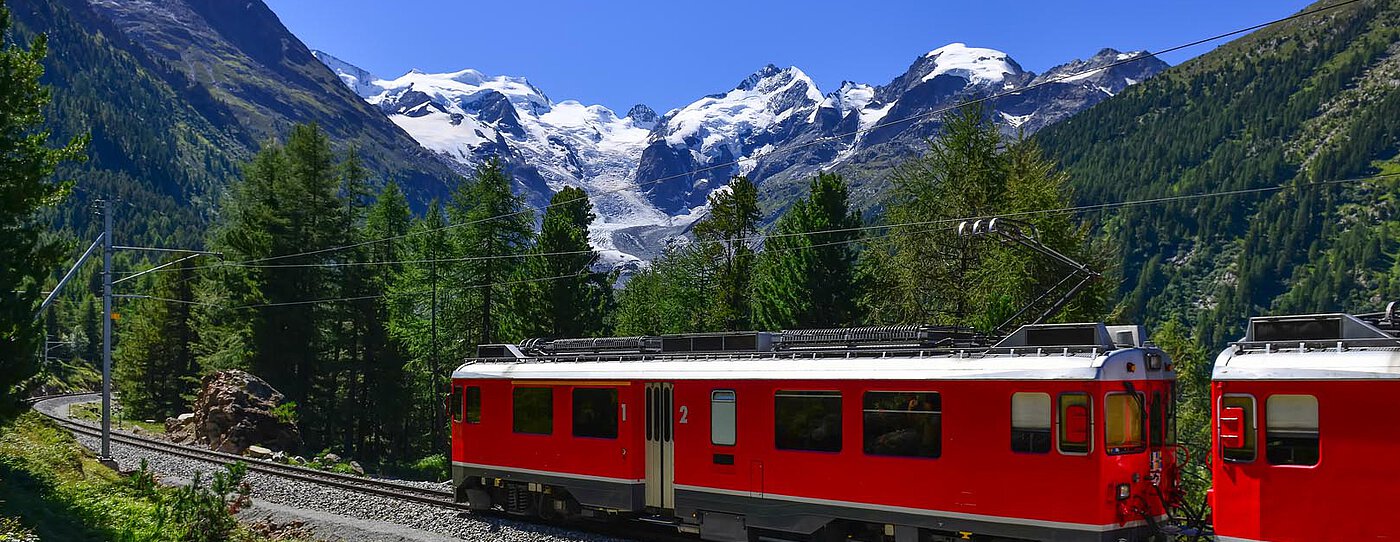
Some journeys don’t need a flight
They need a window seat and a bit of patience.
From the station to the countryside
Arrival isn’t always a moment. Sometimes it’s a small sequence.
A station with two platforms. No taxis waiting. Maybe a bakery across the street. A handwritten sign. A short walk past gardens, sheds, a dog that can’t be bothered. That last stretch matters. It completes the transition, from traveler to guest.
Many Farmtravel stays begin exactly here. Not at a reception desk, not with a laminated welcome folder. Just with a few quiet minutes that reset your expectations.
Ideas, not itineraries
This isn’t about train numbers or exact schedules. That’s not the point, and it’s not the fun part either.
Think instead of:
- regional lines crossing foothills rather than tunnelling straight through
- coastal railways that turn inland, away from resorts
- cross-border routes where nothing dramatic happens—except the landscape quietly changing
You don’t need a checklist. You need a direction. And, sometimes, the willingness to stay on the train one more stop.
Starting from Germany, Austria, Switzerland…
From Germany and the wider DACH region, rural Europe is closer than it looks. A regional train carries you from Munich into the Bavarian foothills, from Stuttgart onto the Swabian Alb, from Zurich across borders into eastern France or northern Italy—where stations feel more like pauses than arrivals.
From Berlin, slower lines drift toward lakes, forests, agricultural regions where travel isn’t framed as “escape”. It’s just movement. These aren’t epic journeys. Often just a few hours. Still enough to change your pace. Properly.
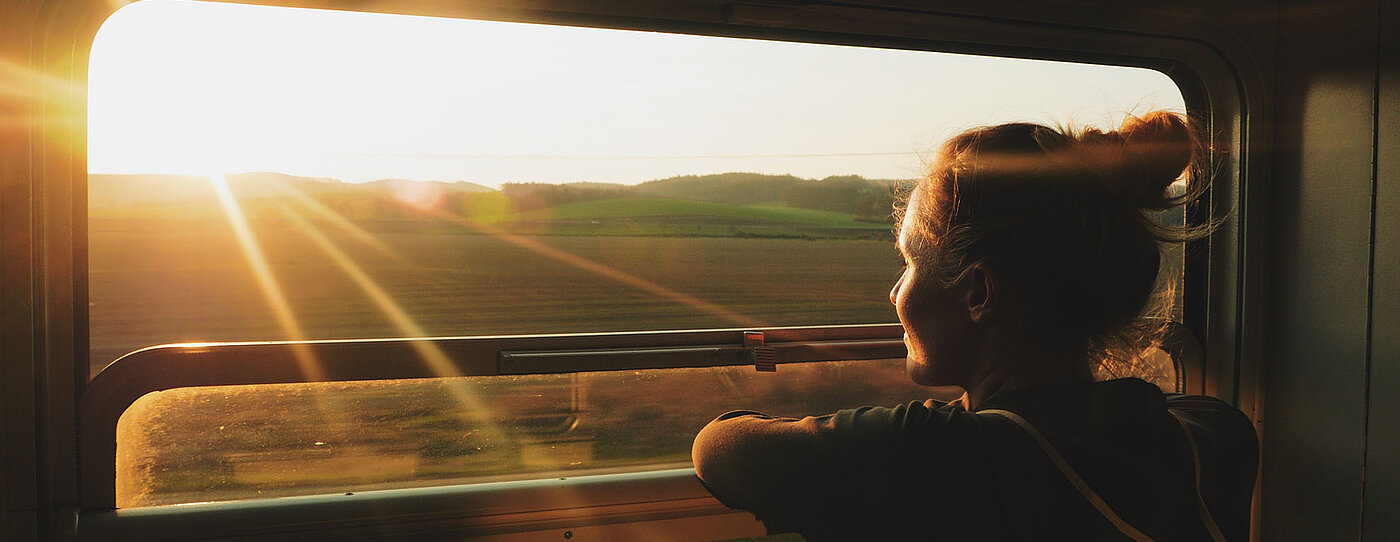
Many rural stays begin where the main lines end
A small station, a short walk… and the noise drops away.
Why slow routes lead to better stays
When travel slows down, expectations change too. You notice it in small places: meals take longer, conversations stretch, you ask where things come from instead of what time they start.
The place stops being something you “do” and becomes somewhere you’re allowed to be, for a while.
Train journeys tend to lead toward this kind of stay. Not because they’re romantic (sometimes they’re noisy, honestly), but because they’re continuous. Proximity over spectacle. Time over shortcuts.
Where might a slower route take you?
Not everywhere needs to be reached quickly. Some places make more sense when you arrive with patience. And remember them the same way.
Frequently asked questions
Yes, a lot of rural areas are connected by regional rail lines and small stations. The “hard part” is often the last 10–20 minutes: a walk, a bike, a quiet road. And that’s usually where the holiday really starts.
They’re worth it if you want scenery, fewer crowds, and a calmer pace. You won’t get a highlight every five minutes. You’ll get continuity: fields, villages, weather, small changes. It’s not flashy. That’s the relief.
Choose a region first, then look for accommodations near smaller stations and regional lines. Don’t over-plan the whole thing. Pick a direction, leave buffer time, and accept one imperfect connection. Honestly, that’s part of the charm.
Not always, but it often supports slower, more intentional journeys. Trains aren’t magical, sometimes they’re noisy, sometimes delayed. But they keep the journey intact. No jump-cuts. You feel the distance, and that changes you a bit.
Travelers who prefer quieter stays, fewer transitions, and time outdoors. If you like long breakfasts, walking without a goal, and arriving without the “we must do everything” panic—this is your style.
More inspirations
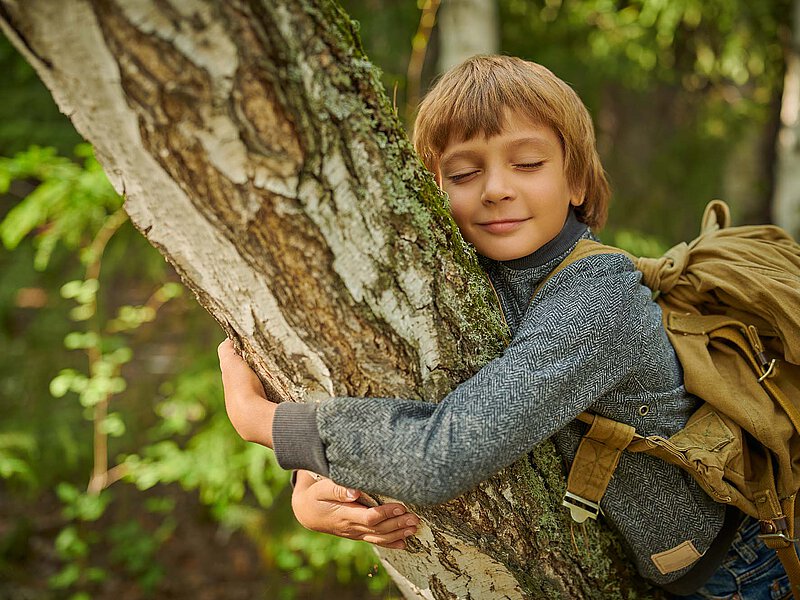
Why hugging a tree belongs in a countryside holiday
Most of us spend our days touching glass, screens and polished surfaces. A countryside holiday changes that quietly: bark, soil, grass, stone, rain,…
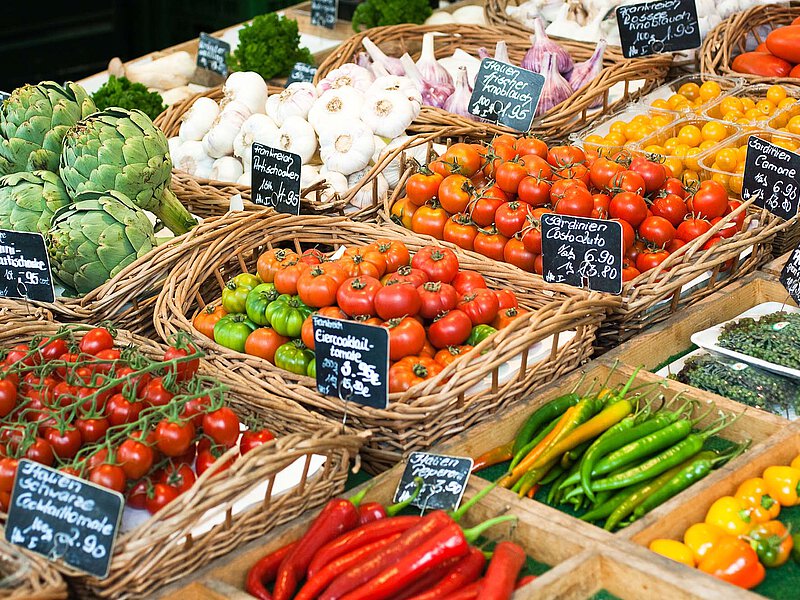
Eat where you travel: why local food matters on rural holidays
Many people travel to the countryside for calm, landscapes, real markets, good food, small places, a rhythm that does not keep demanding attention.…
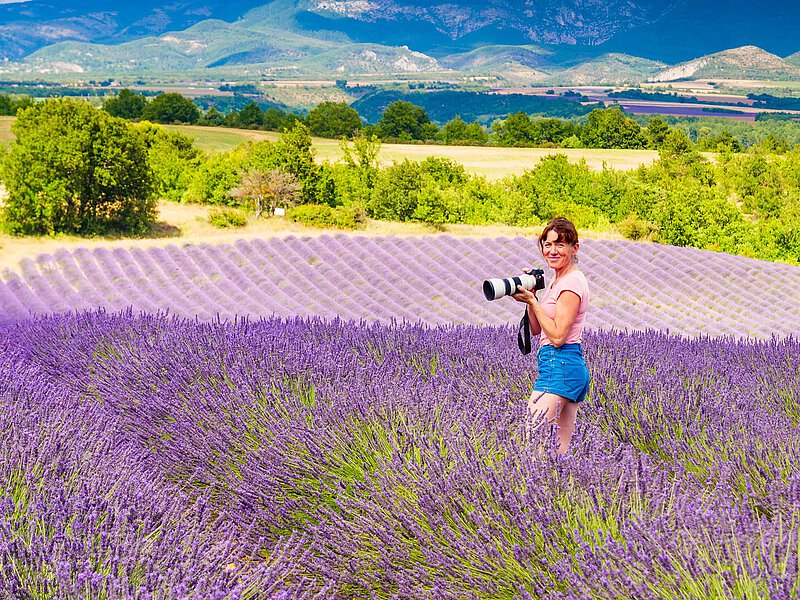
Countryside Holidays: What Kind of Stay Actually Fits?
A search for countryside holidays rarely means “just somewhere rural”. Underneath it there is usually something more specific: good walking, proper…