


Sometimes it isn’t the place we miss. It’s the sound of it.
It only takes one sound. Sometimes really just one.
A church bell in the morning. Not loud. Not dramatic. Nothing major happening. And still, a sound like that can set something in motion that reason can’t quite catch up with. Suddenly it isn’t only memory. It’s return.
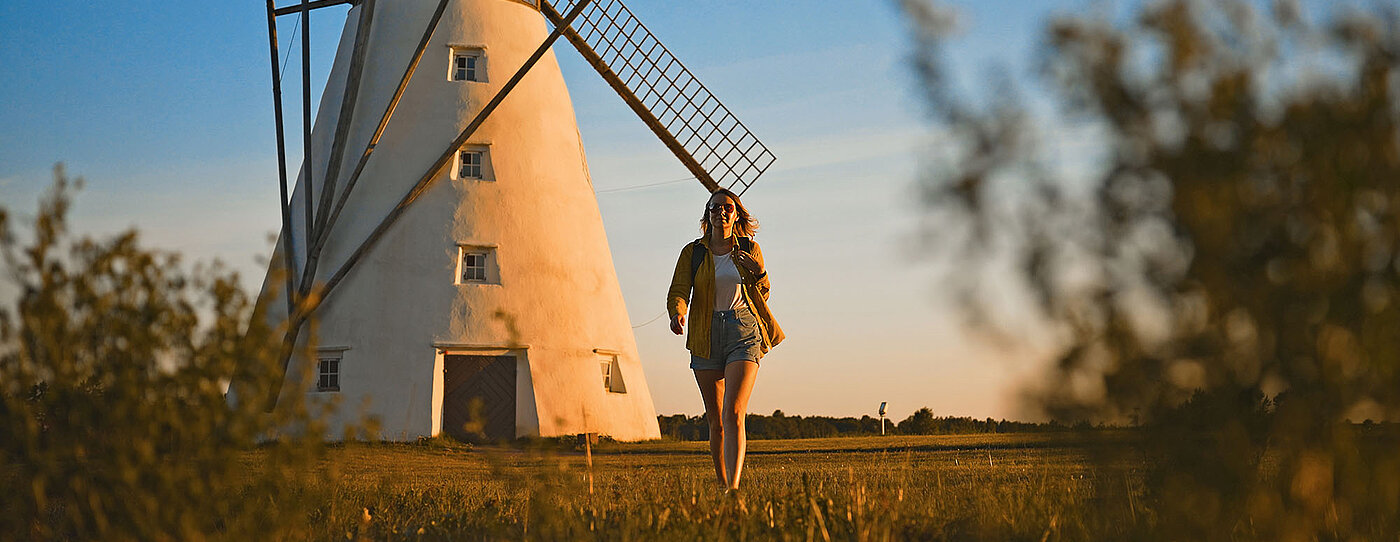
A few days ago, that happened. Church bells, early in the morning, heard almost by accident. And just like that, there was a jump back nearly forty years. Summer. Childhood. Country life. That particular mix of light, air, and calm you never name as a child, but take in completely. Back then, the bells didn’t stand for religion or even for time. They simply meant: morning is here. The day is open. Joy doesn’t need a reason right now.
The strange part is this: feelings like that don’t really disappear. They stay somewhere in the body, even when you assume they’re long gone.
Memory often arrives as sound
We usually talk about travel in images. Views, skies, paths, colours. We tell each other what we saw and where we went. Much less often do we talk about what we heard. And yet sounds are often the quicker route back.
A sound doesn’t ask whether the timing works. It doesn’t explain itself. It simply appears and opens something. Maybe only a narrow gap. Still, there’s often a surprising amount behind it.
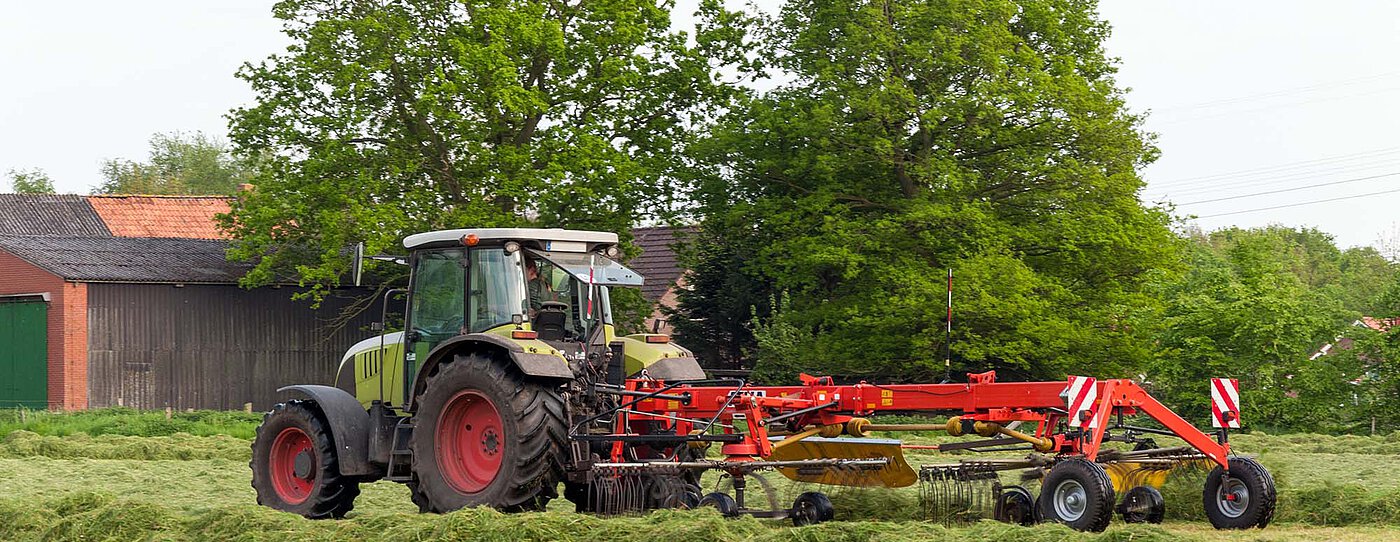
It doesn’t have to be church bells. It can be gravel under shoes. Dishes from an open kitchen. A dog in the distance. A door that never quite closes in summer. Crickets. Wind against half-shut shutters. A tractor far enough away that it becomes part of the background instead of an interruption.
Cities have their sounds too, of course. But rural sounds often work differently. They don’t push. They don’t want anything from us. Maybe that’s why they reach so far in.
This is more than nostalgia
People don’t only book a place. Sometimes they also book the sound they’ve been missing.
The countryside isn’t silent. Time just sounds different there.
It’s actually misleading to speak about “peace and quiet” as if the countryside were silent. It isn’t. Rural life is full of sounds. Morning, noon, evening. The difference lies in the order of things.
Sounds don’t keep laying themselves over everything. They come, fade, leave space behind. And that space is exactly what many people no longer have in daily life. Maybe that’s one reason countryside trips feel so restorative, even before anyone has words for it. You aren’t only getting away from something. You’re returning to a relationship with sound that presses less hard against the nervous system.
A church bell in the morning is more than a sound. It divides time differently. Not in alerts, not in pressure, not in the rhythm of notifications. More like a reminder that a day doesn’t have to prove itself immediately in order to matter.
Maybe this is part of why we travel to the countryside
Maybe we aren’t only looking for nature when we choose the countryside. Maybe we’re looking for something harder to name. A frequency. A tone of day. A way life sounds. Many people feel this before they can explain it. They say they need air, space, quiet. Underneath that, there is often something else: a longing for an older version of perception.
Not childhood as a life stage. That would be too simple. More a return to the openness that childhood once had. Back then, the world wasn’t constantly commented on. Not everything had to be captured, explained, ranked. You were simply there. Some places bring that back with surprising ease.
The child in us doesn’t age at the same speed as everything else. It stays. Quieter maybe. Buried maybe. But still responsive. To smells, to light, to voices. And also to sound.
Memory often arrives as sound
A tractor far enough away that it becomes part of the background instead of an interruption.
This is more than nostalgia
It would be easy to dismiss all this as sentiment. A few bells, a little summer, and there you go. But it’s more exact than that. What returns in such moments isn’t only longing for “back then”. It’s often a clue to what is missing now.
What’s missing isn’t just free time. Not just a holiday. It’s a form of presence in which you’re no longer permanently on call. That’s where the subject becomes interesting for Farmtravel. Countryside travel matters when it makes something audible in us again. When it opens an inner room that daily life has covered over.
How we see it at Farmtravel
Over the last months, Farmtravel has kept circling related themes: slowness, short breaks, the strain of constant visibility, places that don’t belong online, journeys that begin before arrival. This piece belongs there too.
In the end, it comes back to the same question: “what actually brings us back to ourselves?”
Our answer is rarely abstract. It usually starts with ordinary things: a different rhythm to the day, a table outside, a path with no destination, the sound of cutlery in a farmhouse kitchen, a church bell in the morning. A countryside stay doesn’t automatically heal anything. Of course not. But it creates conditions in which these experiences become more likely. Sometimes that’s enough: a setting that doesn’t keep asking for your attention.
"Maybe people don’t only book a place. Maybe sometimes they also book the sound they’ve been missing."