


Short Breaks, Big Impact: Why Small Escapes Matter
In brief
Not every holiday needs to stretch over a week. Two or three days away can be enough to reset, reduce stress, and notice what daily life often hides. Short breaks support local places, save emissions, and remind us that holidays do not always require distance.
The science behind small pauses
Research into micro-breaks shows that frequent short holidays bring real benefits for wellbeing. People who take several small pauses across the year often return to work with more focus than those who wait months for one long holiday.
A short countryside stay also avoids the “re-entry fatigue” of long trips—no jet lag, no days wasted on travel. Even 48 hours in a different rhythm can shift perspective: cooking outdoors, walking in silence, waking up without alarms.
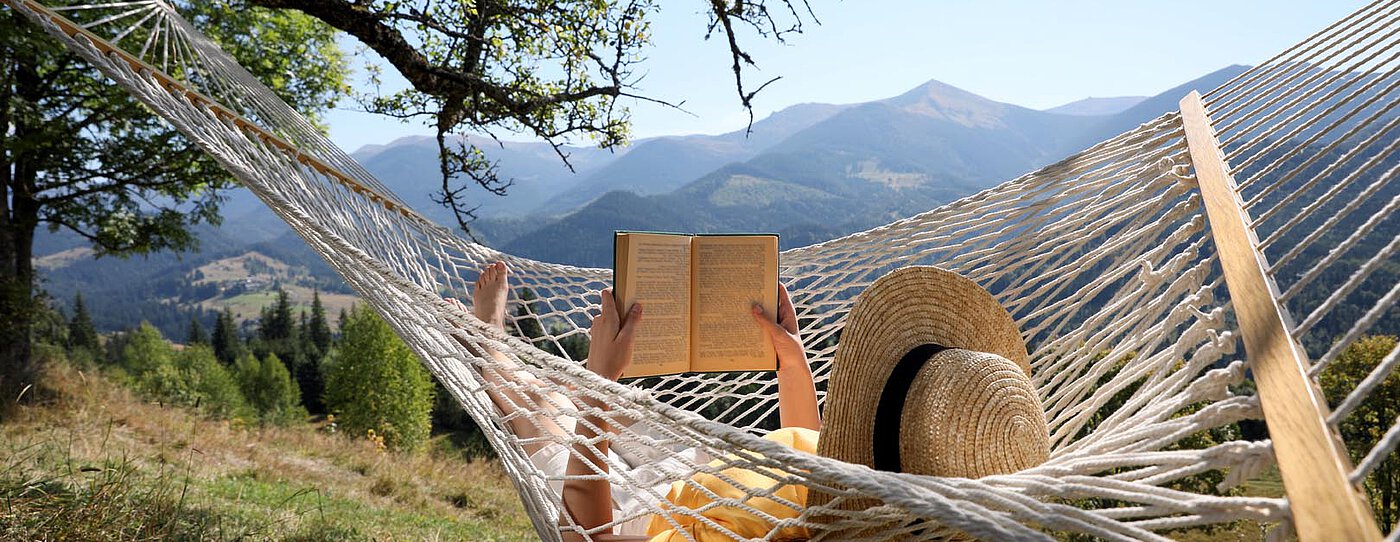
Benefits of short countryside stays
Short breaks bring more balance to the year. Instead of a single “all or nothing” holiday, they add regular pauses.
The idea of zero-kilometre holidays
The italian concept of “chilometro zero” is usually about food: local vegetables, nearby wine. Applied to travel, it means looking around before booking a flight. A forest walk one hour from home, a rural guesthouse two train stops away: often these places are unknown to us, though they are close.
Travelling at “zero kilometres” is not about limiting, but about opening eyes to what is near. Many report that they return home surprised at how much they had overlooked in familiar landscapes.
A meta-analysis involving over 2,300 participants demonstrated that brief, frequent work interruptions (‘micro-breaks’) significantly improve well-being and work performance. This type of study represents the gold standard of scientific reliability, as it quantitatively synthesizes the results of numerous experimental investigations.
Source: Albulescu et al., PLOS ONE, 2022
Benefits of short countryside stays
For people
Short breaks bring more balance to the year. Instead of a single “all or nothing” holiday, they add regular pauses. This rhythm helps mental health and gives families more moments together. Even couples or solo travellers often describe these mini-trips as easier to remember, because there is less rush and fewer boxes to tick.
For the enviroment
Choosing closer destinations avoids long flights and heavy carbon footprints. Arriving by local train or bike reduces impact, but also changes how we feel: the journey becomes part of the holiday, not a stressful hurdle. Staying close also means supporting regional food systems and reducing packaging from long-haul travel.
For local hosts
Small farms and rural guesthouses depend on visitors spread across the year. Weekend guests bring steady income, not just peak-season crowds. Many hosts say that these shorter stays often lead to real conversations—guests help with cooking, share stories, and leave as friends rather than anonymous travellers.
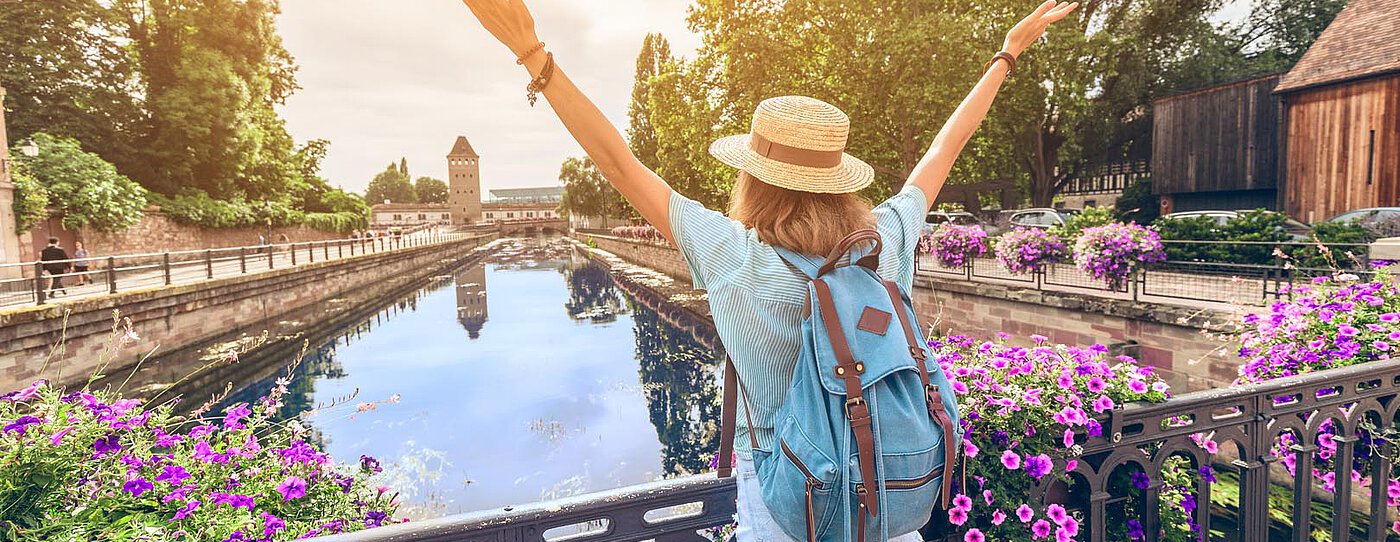
The science behind small pauses
People who take several small pauses across the year often return to work with more focus than those who wait months for one long holiday.
What to do on a short break
Two or three days are enough for genuine memories. You might join grape picking in Burgundy, walk through Bavarian forests, visit a Saturday market in Andalusia, or help with feeding animals on a British farm.
Short breaks are not about ticking off landmarks, they are about inhabiting a slower rhythm. And if the weather turns grey? It can mean sitting in a farmhouse kitchen, bread on the table, talking until the rain stops. Sometimes the pause is the point.
Short breaks as a sustainable choice
Sustainability is not only about recycling or saying no to plastic. It’s also about changing habits: travelling less far, more often, with lighter steps. Short breaks prove that refreshment is possible without long-haul flights. They shift the value of holidays away from “how far” towards “how well.”
Frequently asked questions
A holiday of two to four days, usually close to home.
It means a pause without the logistics of a long trip… sometimes just a train ride away, sometimes nothing more than a farmhouse two valleys over.
Yes, studies confirm frequent small holidays reduce stress.
People often say that a weekend outdoors feels “larger” than it should, while a long trip can vanish in a blur of airports and crowds.
They usually are: less flying, more local journeys.
And when you buy bread from the village bakery or talk to the neighbour feeding hens, sustainability is not a theory, it’s just daily life.
Italy, France, Germany, Austria, Spain, Portugal, the UK all offer rural options.
It might be vineyards, chestnut woods, windy coasts or just a village you never stopped in, though the train passes it each week.
Pick a destination within 1–3 hours, focus on one or two activities.
Leave space for accidents: the bakery that was closed, the path that led to a view you hadn’t planned. Those small “imperfections” often become the story.
More inspirations
Sometimes it isn’t the place we miss. It’s the sound of it.
It only takes one sound. Sometimes really just one. We usually talk about travel in images. Views, skies, paths, colours. We tell each other what we…
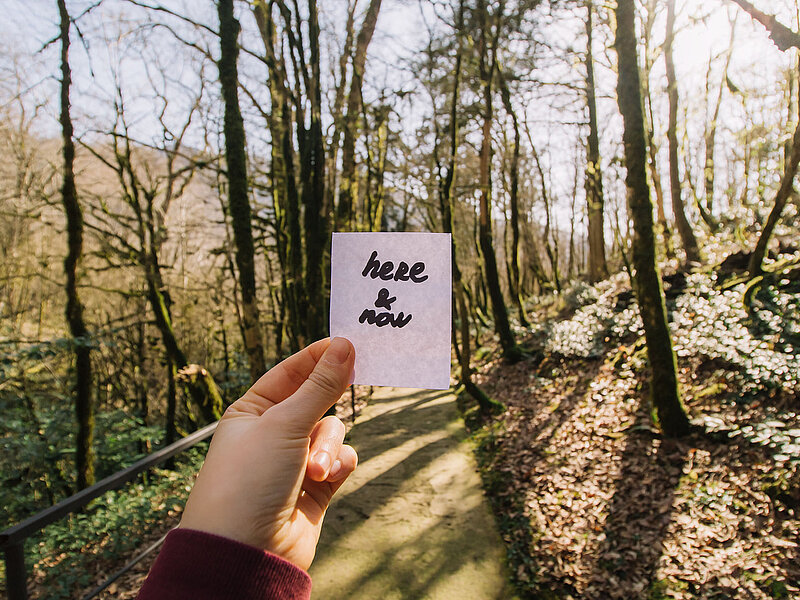
Hic et Nunc: The Countryside Lesson in Being Here, Now
This is for anyone who returns from holiday with more photos than memories. “Hic et nunc” (here and now) isn’t a mood you wait for. It’s something you…
JOMO: The quiet joy of not being everywhere
Joy of Missing Out means skipping things on purpose — and making room to breathe. Travel has been sold like a hunt for years. Viewpoints. Lists.…