


Slow Travel: Why Taking Your Time Can Change the Way You Holiday
In brief
This article is for those who feel holidays are slipping through their fingers, too short and too fast. Slow travel is not a trend, but a way of restoring anticipation, presence, and depth to journeys. It explains why the countryside is the natural home of this approach.
The overlooked beauty of going slowly
In a world obsessed with speed, travel has also been reduced to efficiency: the quickest flight, the shortest transfer, the fastest check-in. But speed cuts away more than hours on the clock. It erases the anticipation— what Germans call “Vorfreude”, the joy before arrival.
Psychologists confirm that the emotional build-up before a holiday can bring as much wellbeing as the holiday itself. When the journey is compressed into a two-hour flight, the imagination has no time to wander. Slow travel restores that pause. It is the art of letting the holiday begin before reaching the destination.
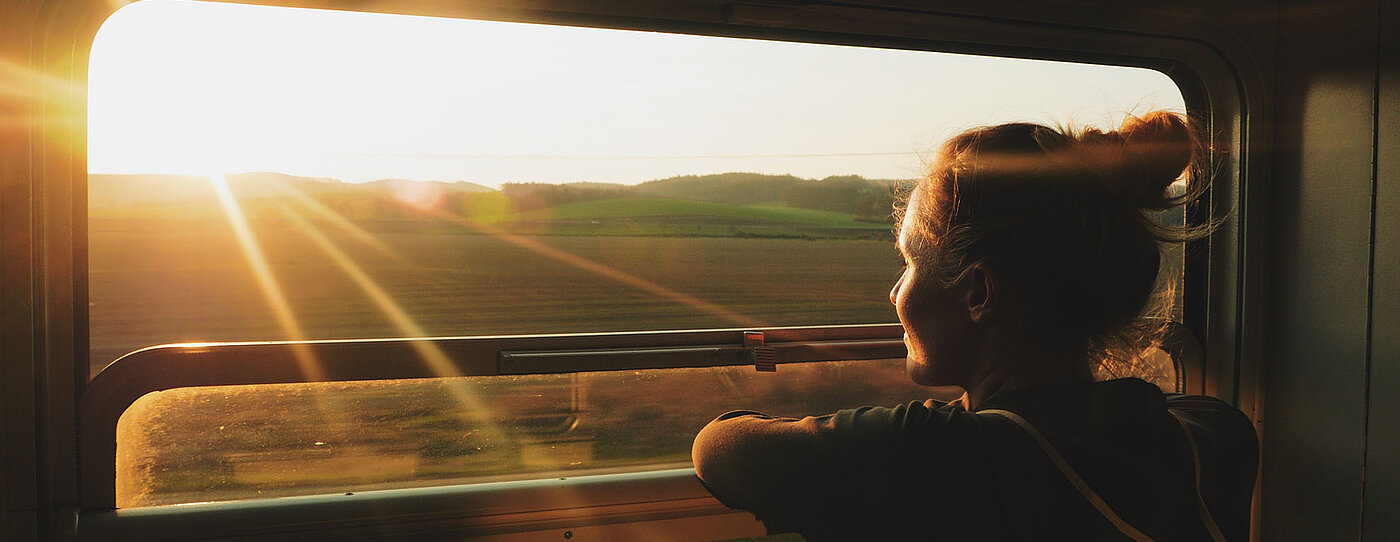
The forgotten middle: trains, ferries, shared roads
Slow travel does not mean rejecting all flights. But it values the “middle layers” that have been neglected: regional trains, ferries across short seas, car-sharing on scenic roads.
Slow travel as more than a slogan
The phrase “happiness lies in the journey” is often repeated, but rarely practiced. True slow travel is not simply about choosing a slower train or cycling instead of driving. It is a way of approaching travel with depth instead of breadth: fewer places, longer stays, richer encounters.
A countryside stay for a week, with its harvest rhythms and quiet mornings, may offer more lasting memories than racing through five cities in five days. Research on experiential tourism shows that depth improves recall, satisfaction, and even the sense of rest long after the trip has ended.
Benefits that unfold at three levels
For the traveller
Days feel larger, not because they contain more activities, but because they are not sliced into constant transitions. A single morning walk through fields can leave a stronger imprint than rushing from bus to museum to airport. Travelling slowly allows the nervous system to reset, something hurried holidays rarely achieve.
For the planet
The environmental case is also clear. Air travel remains one of the most carbon-intensive choices, while trains, coaches, cycling, or walking significantly reduce impact. Staying longer in one place also avoids the repeated cycle of check-in, transport, and disposable consumption. Rural tourism reports show that guests who adopt slower rhythms leave behind less waste and a lighter footprint.
For the host
Farm and countryside hosts notice the difference immediately. A short weekend visitor passes through, but a longer stay brings conversation, shared meals, even small collaborations during harvest. The relationship becomes reciprocal, not transactional. And this, in turn, enriches the memory of the guest, who no longer sees the place as scenery but as a temporary community.
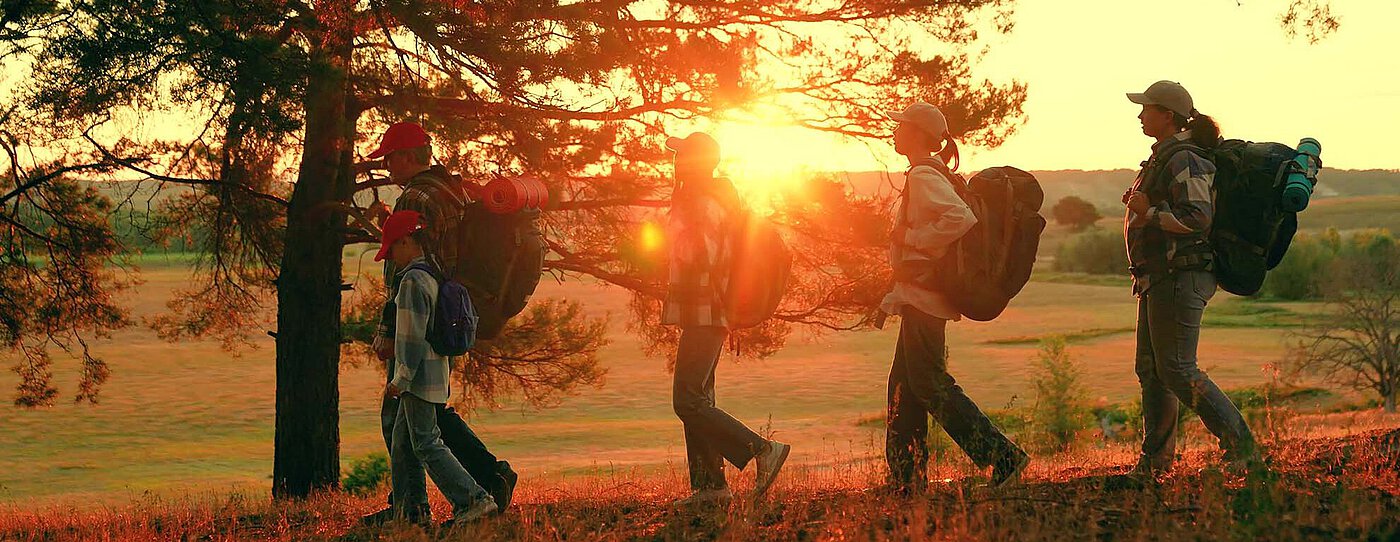
The environmental case is clear
Air travel remains one of the most carbon-intensive choices, while trains, coaches, cycling, or walking significantly reduce impact.
The forgotten middle: trains, ferries, shared roads
Slow travel does not mean rejecting all flights. But it values the “middle layers” that have been neglected: regional trains, ferries across short seas, car-sharing on scenic roads. These options take more time, but they repay it with landscapes unfolding outside the window, pauses in smaller towns, and a tangible sense of distance travelled. They bring back what modern travel logistics have almost erased: the experience of moving through space, not just skipping over it.
Practical ways to begin
Slow travel does not require radical lifestyle changes. It can start with simple choices:
- Choose one region instead of crossing three countries.
- Replace one flight this year with a train journey.
- Plan fewer activities and allow space for unplanned encounters.
- Book a countryside stay long enough to share in daily rhythms, from bread baking to apple harvest.
These small shifts add up. They bring back time for conversation, for noticing, for living holidays as a sequence of days rather than as a race.
Frequently asked questions
Slow travel means choosing time and depth over speed.
It can be a week in one farmhouse, helping with bread baking, instead of rushing through five cities in five days.
It reduces stress and extends the holiday feeling.
Anticipation builds joy, and days feel bigger—like a long walk that leaves you calmer than ten attractions in a row.
Yes, trains and longer stays cut emissions compared to flights.
When you shop at the village bakery or take the bus with locals, the footprint shrinks naturally, no slogans needed.
Pick fewer places and plan longer stays.
Even replacing one flight with a train this year is enough—it’s less perfect planning, more leaving space for accidents.
More inspirations
In Which European Country Is New Year’s Eve the Most Beautiful?
Italy, Austria and Denmark offer the most beautiful rural New Year celebrations in Europe. Italy brings warm food traditions, Austria blends snow and…
Islands and the mainland: Where Distance Becomes Meaning
Islands live between connection and solitude. They belong to the continent yet feel apart from it — separated not only by water, but by rhythm, light,…
Short Breaks, Big Impact: Why Small Escapes Matter
Not every holiday needs to stretch over a week. Two or three days away can be enough to reset, reduce stress, and notice what daily life often hides.…