

Summer Tourism in Europe: Facing the Real Environmental Cost and What We Can Actually Change
What’s the Problem, Really?
Have you ever wondered if your summer holiday is quietly hurting the planet?
Let’s face it, most of us do. But after reading the headlines, we end up booking flights anyway and promising ourselves to "travel responsibly." What does that even mean? The truth is not pretty: summer tourism is behind about 8% of global CO₂. And a reusable water bottle won’t fix that (sorry).
Don’t close the tab yet. We’re not judging. We want to dig into what actually makes a difference and what’s just marketing disguised as activism.
To Fly or Not to Fly?
The Elephant in the Room
You can book the greenest farm in Europe and eat only local cheese, but if you fly there and back, that’s where most of your emissions come from, often 70% or more.
Trains are slower and can be expensive. Sometimes, you just can’t avoid flying, especially if you’re traveling from an island. Should you skip summer travel altogether? Try getting a family from Hamburg to Portugal by train. It’s a story on its own.
Here’s the point: One less flight per year is the biggest thing you can do for the climate as a traveler. But this isn’t an all-or-nothing game. Choose one trip by train. Stay longer if you fly. Make each journey count.
A quick comparison:
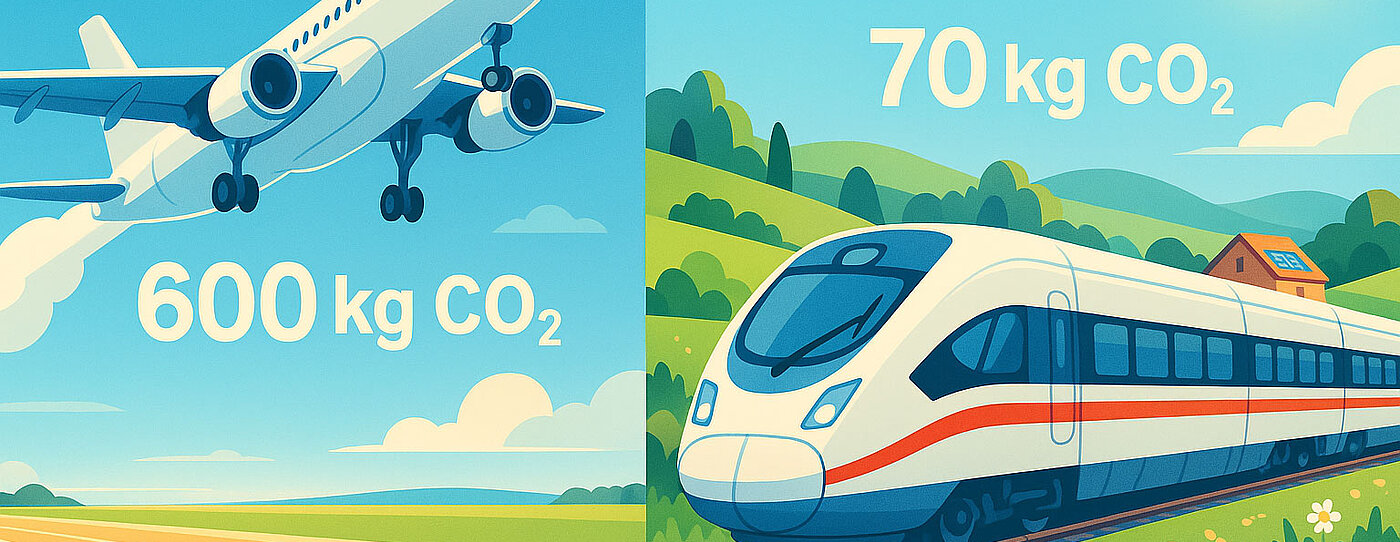
- Paris–Lisbon return by plane: up to 600 kg CO₂ per person
- Same trip by train: around 70 kg
- Shared car: somewhere in between
Is it always practical? No. But it matters.
To Fly or Not to Fly?
You can book the greenest farm in Europe and eat only local cheese, but if you fly there and back, that’s where most of your emissions come from, often 70% or more.
Are Eco-Hotels Really Sustainable?
Looking Beyond the Green Label
You found an "eco-hotel" with bamboo toothbrushes and organic eggs. That’s nice, but what about what they don’t tell you? Most hotels, even with green labels, use three times more water per guest than an average household. Air conditioning, daily laundry, big pools: these are all big energy guzzlers.
What does “eco-friendly” actually mean?
Ask questions like:
- Who does the laundry?
- Where does the water come from?
- Is leftover food composted or trashed?
- Was the “natural pool” once a meadow?
What actually matters: Look for places that limit their resource use, not just advertise it. Real hosts show you their waste system, or simply tell you to open a window instead of using AC.
Farmtravel-Tip: The more rustic the place, the more likely it is doing something right.
The Water Paradox
How Your Shower Can Affect a Whole Village
Is your long, cool shower costing someone else their summer? In many European regions, it’s not a silly question. Peak tourist season means fields dry up, village taps run slow, but hotel pools stay full. Did you ever notice greener grass around hotels? Guess why. Even some rural stays overuse water, sometimes without realizing it.
What you can do:
- Choose places that are open about water use
- Ask how the garden is watered, or if the pool is always full
- Avoid properties with huge lawns in dry areas
- A dry garden is a good sign in summer
- Try a rainwater tank or bucket. It might surprise you.
It’s not about guilt, it’s about honest questions and learning.
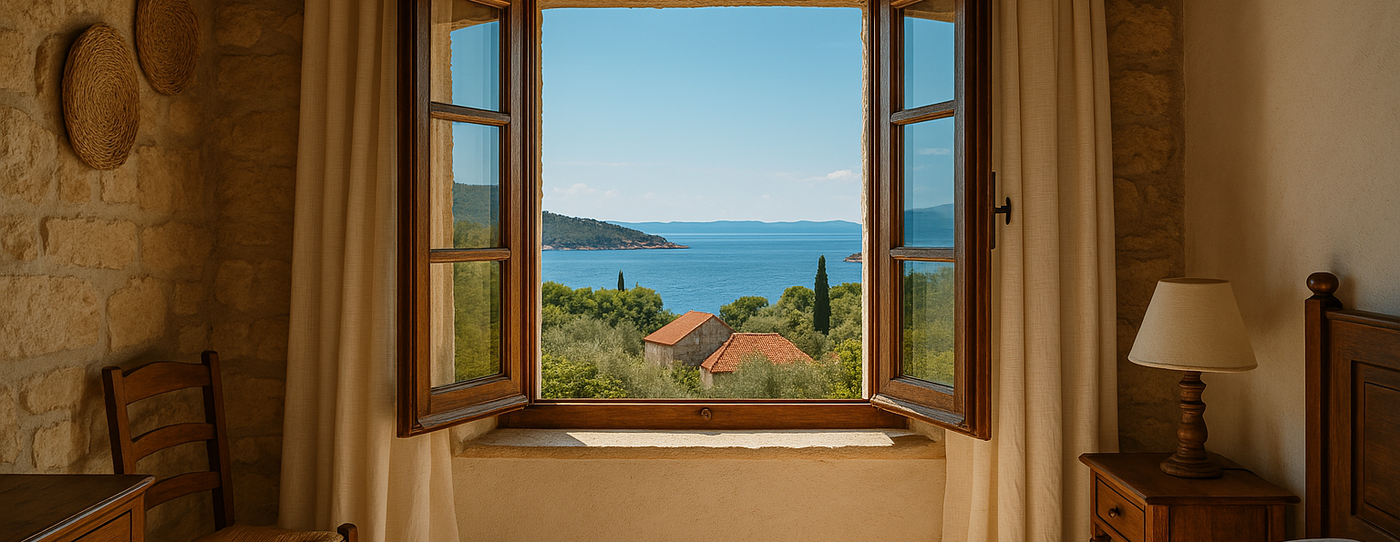
What does "eco-friendly" actually mean?
Look for places that limit their resource use, not just advertise it. Real hosts show you their waste system, or simply tell you to open a window instead of using AC.
Tough Advice, Common Mistakes, and Myths
Forget the Easy Green Tips
Still looking for easy eco-travel hacks? The reality is messier.
- "Eco" labels are often just marketing. The basic farm with no website sometimes does more for the environment than any “eco-resort."
- Overpacking is a common error. Why bring half your home? Most rural places provide basics.
- Thinking every trip is a reward leads to waste. See travel as learning.
- All-inclusive deals mean all-you-can-waste. Choose stays that make you slow down and share meals.
- Offsetting is not a free pass to fly. It helps a bit, but it’s not the whole answer.
- Don’t give up just because you can’t be perfect. Small steps: one less flight, one more question, one waste-free meal really add up.
Quick story: A guest once asked if our compost bin (at Salenberghof, our Farm Stay) was real or for show. We laughed and showed her the worms. Asking is always welcome.
Real Stories of Sustainable Change Across Europe
Farms, Vineyards, and Cabins with Genuine Impact
Some places in Europe are making measurable changes, often quietly and without big marketing claims.
- In the Alps, several dairy farms use rainwater collection for daily operations, reducing groundwater dependence. This approach is supported by local and EU sustainability programs.
- In southern Portugal’s Alentejo, many family farms rely on solar power, compost most of their food waste, and grow much of what ends up on guests’ plates.
- In parts of Swedish Lapland, remote eco-cabins—sometimes accessible only by foot or boat—ask guests to carry out all their own waste.
- In southern France, new rules have led many vineyards to minimize irrigation. Some properties have replaced lawns with wildflower meadows and removed pools, dramatically reducing water consumption.
- In drought-prone areas of Sicily, traditional agriturismi may choose not to irrigate during dry spells, leaving part of their crops unharvested instead of over-extracting groundwater.
These stories are not about perfection. They are about making tough choices, accepting limits, and working with nature rather than against it.
Family Travel and Kids
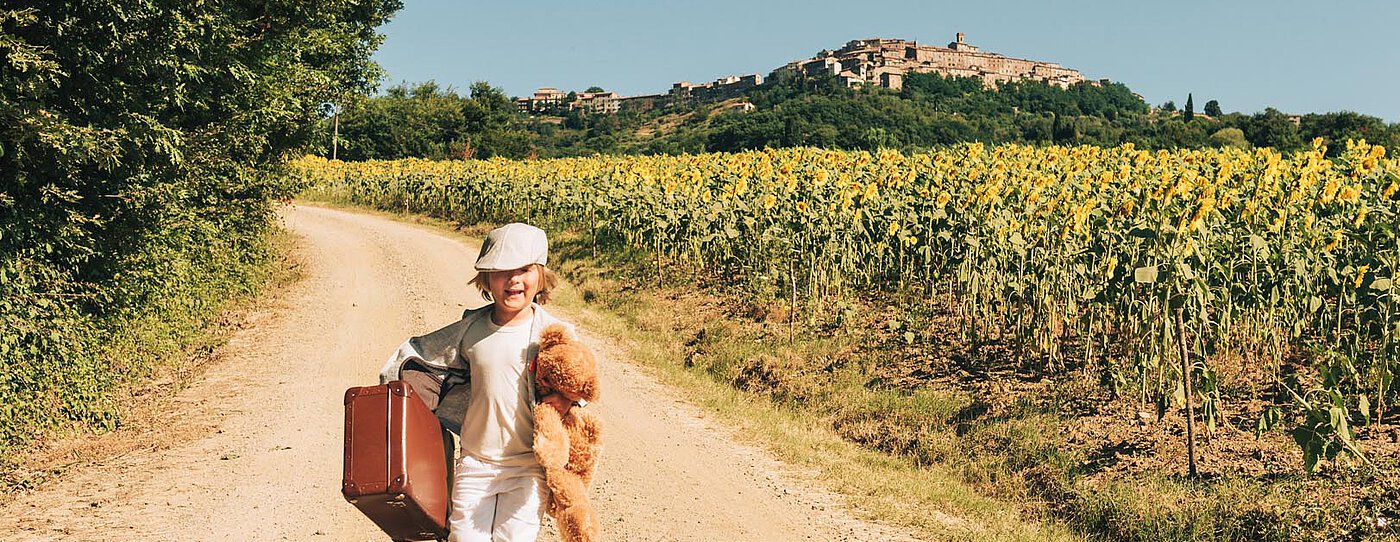
Easy? No. Always successful? Not really. But kids remember the stories, especially the odd ones.
Family Travel and Kids: What Really Works?
Honest Advice for Traveling with Children
Traveling with kids is never perfect. Don’t expect the eco-version to be any different.
- Tell kids honestly why the tap runs slow or why there’s a bucket in the shower.
- Let them help feed animals, collect eggs, or dig in the garden.
- Expect boredom. Bring cards or invent silly games.
- Allow yourself small "comforts": an ice cream, a soft bed. It’s not about being perfect.
- The best memories come from the weirdest moments, like washing dishes by candlelight after a power cut.
Easy? No. Always successful? Not really. But kids remember the stories, especially the odd ones.
Real vs. Fake Sustainability
How to Tell Who’s Honest
"Sustainable Tourism," "eco," "green": these words are everywhere. But how do you spot the real thing?
- If everything looks perfect and spotless, be careful. Real farms have mud and weeds.
- Ask for data about water or energy use. If they’re serious, they’ll answer.
- Less comfort often means more care. No pool, no daily cleaning, fewer towels: good signs.
- Trust your feeling. If it seems too staged, maybe it is.
- The host who apologizes for slow wifi or a dry garden is likely doing their best.
Our Tip: If the main promise is "luxury and eco" at the same time, ask more questions.
What Do We Take Home? What Do We Leave Behind?
After a "sustainable" holiday, what stays with you? Not the green badge, not the perfect photo. You remember the awkward moments.
- That day with no hot water, but lots of laughter.
- Bread that tasted weird, but filled you up.
- Learning how heavy a full trash bag is when you carry it yourself.
Hopefully you leave less waste, more curiosity, and the courage to ask questions next time. Was it perfect? Of course not. Was it worth it? Absolutely.
There’s No Perfect Solution…But There’s Always a Better One
Let’s be real. One article or one holiday won’t save the world. But if you keep asking, trying, and learning, something does change. No one is perfect. But everyone can do better.
Frequently asked questions
It’s possible to travel better, not perfectly. One less flight, choosing places that limit water and energy use, eating local food, and staying longer in one spot all help more than most people think. You won’t save the world with one trip, but your choices add up…especially if you share what you learn.
Look for honesty, not just pretty pictures. True eco-hosts will tell you what they don’t offer, such as daily towel changes or a heated pool. Ask about water, waste, and energy. If they give real answers, even if it’s not perfect, you’re likely in good hands.
Yes, and it’s often the best way for children to learn where food comes from and to get their hands dirty. Expect fewer screens and slower days. There might be cold showers, or animals to help with, but these are the stories your family will remember.
Keep it simple. Bring old clothes, a refillable bottle, and maybe your favorite soap. Check with your host if you need to bring a towel or can buy snacks locally. If you forget something, improvise: adventure loves surprises. Already had a look at our Pack like a Pro tips?
Yes, even small steps count. When you skip a flight, eat what’s grown nearby, use less water, and support honest farms, you help shape the future of travel. Change is not about being perfect, but about doing a little better each time. Your example might inspire someone else.
More inspirations
Eat where you travel: why local food matters on rural holidays
Many people travel to the countryside for calm, landscapes, real markets, good food, small places, a rhythm that does not keep demanding attention.…
Countryside Holidays: What Kind of Stay Actually Fits?
A search for countryside holidays rarely means “just somewhere rural”. Underneath it there is usually something more specific: good walking, proper…
Sometimes it isn’t the place we miss. It’s the sound of it.
It only takes one sound. Sometimes really just one. We usually talk about travel in images. Views, skies, paths, colours. We tell each other what we…