


Hic et Nunc: The Countryside Lesson in Being Here, Now
This is for anyone who returns from holiday with more photos than memories. “Hic et nunc” (here and now) isn’t a mood you wait for. It’s something you practice. The countryside helps because it offers fewer distractions that pretend to be urgent.
Why a Latin phrase still fits modern travel
“Hic et nunc” is simple: here and now. No replaying yesterday, no living the trip through a screen, no postponing the experience until “later”. The Romans didn’t have notifications, but they lived with noise: status, pressure, being seen. The core idea still lands.
Travel today often carries the same pulse as work. Route planning turns into optimisation. Moments become “content”. The day gets packed, then packed again. The present is still there, but it sits in the background like a tab you forgot you opened.
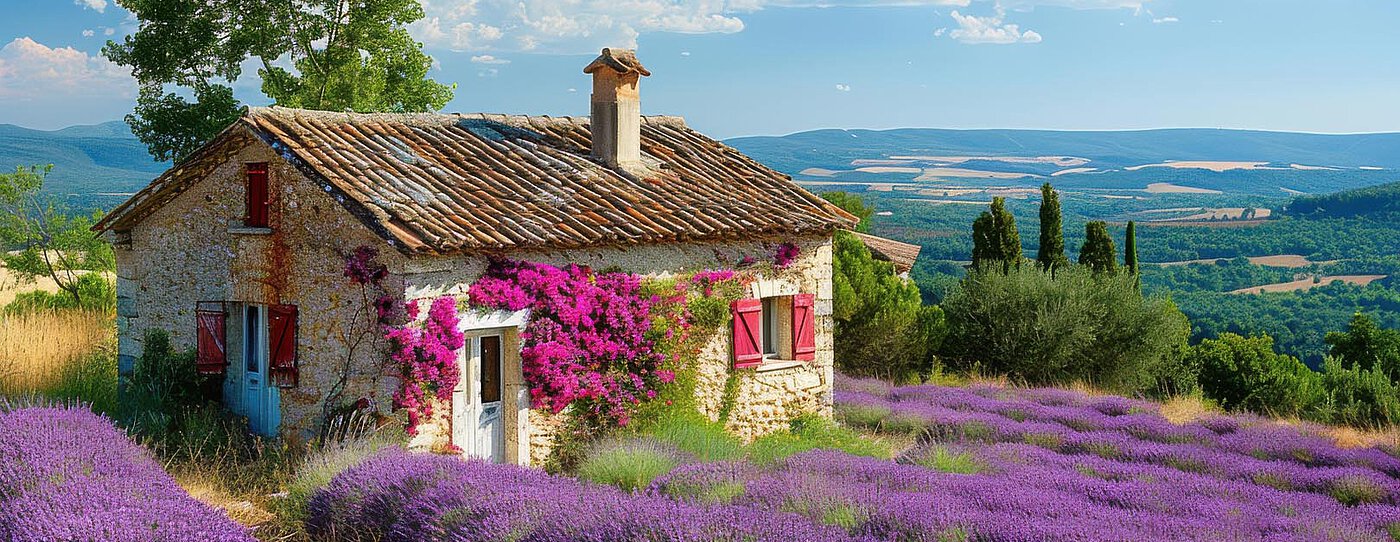
Why the countryside helps without effort
A city throws cues at you all day. Signs, shops, events, crowds. The countryside leaves more space between signals — and that space is where attention comes back.
A short look back
When Latin writers talked about time, they often meant something practical: attention belongs where action is possible. Stoic voices in Rome, like Seneca, returned to a steady thought: the past is fixed, the future is uncertain, the only place to act is the present.
Even “carpe diem” is usually misquoted as a party motto. In its original tone, it’s closer to a nudge: stop waiting for the “real moment” to begin. “Hic et nunc” carries the same texture. It asks for a clean return to what’s in front of you.
Children live this without a quote. Watch them for two minutes: the world is the stick on the ground, the sound of water, the exact shape of a stone. No “later”, no replay. Adults spend years trying to get back to that. A countryside holiday doesn’t turn you into a child again, obviously. It just makes it easier to remember the move: back to the present.
The reflex that steals the moment
Most people reach for their phones because they’ve learned to do it. A quiet minute arrives and the hand moves. A view opens and the mind whispers: capture it. The reflex is quick. Presence arrives a beat later.
“Hic et nunc” is that beat. Ten seconds longer before doing anything else. Let the moment land. Then decide.

Children can do "hic et nunc"
Stoic voices in Rome, like Seneca, reminded us: “The past is fixed, the future is uncertain — the only place to act is the present.” For children, that comes naturally. They’re simply there.
Why the countryside helps without effort
A city throws cues at you all day. Signs, shops, events, crowds. The countryside leaves more space between signals — and that space is where attention comes back.
On a farm stay, the day often follows a different grammar: morning light, weather, meals that take time, small tasks that make the body useful. It’s not a performance. It’s a rhythm. People tend to settle into it without noticing the exact minute it happens.
According to Kaplan & Kaplan’s Attention Restoration Theory (1995), natural environments can help restore “directed attention” after mental fatigue—one reason the countryside makes “here and now” feel easier.
How we see it at Farmtravel
Over the last months, Farmtravel has circled the same themes from different angles: slower travel, short breaks that actually reset you, the pressure to share everything, the cost of speed (for people and places). “Hic et nunc” ties those threads together.
A rural stay helps because it rarely asks you to perform. Mud on the path. A rooster too early. A connection that drops. Ordinary things, nothing dramatic. And that ordinary texture pulls you into the day more effectively than any “mindfulness hack”.
"Here and now isn’t a mood. It’s a practice — and the land teaches it quietly."