


Not Every Place Belongs on the Internet
On travel, visibility, and why some places need time more than attention.
If you spend time on travel-related social media, you may have noticed something changing.
Photos appear without location tags. Videos show landscapes, but never say exactly where. Captions hint at a place, then stop short of naming it.
This behaviour is often described as gatekeeping. And depending on who you ask, it’s either praised as responsible or criticised as selfish.
But the reality is more nuanced. What looks like secrecy is often a reaction to experience: people who have seen places change too fast, or felt the pressure that attention can bring. In that sense, gatekeeping isn’t always a strategy. Sometimes it’s simply hesitation, a pause before sharing something that feels fragile.
What gatekeeping really looks like today
Originally, gatekeeping was a term from media theory. It described how editors decided what information passed through the “gate” and what didn’t. In today's travel culture, that role has quietly shifted. Now, the gatekeeper is often the traveller.
Gatekeeping in travel doesn’t usually mean refusing to talk about a place altogether. More often, it’s a series of small choices: not tagging the exact spot, not naming the village, not turning a quiet moment into a public recommendation. These decisions are rarely dramatic, but together they shape how places are perceived and how quickly they change.
The connection between visibility and overtourism
Overtourism rarely arrives with an announcement. It builds slowly, often invisibly. A place becomes recognisable. Then popular. Then crowded — sometimes before local infrastructure, housing, or water systems can adapt. What once felt like discovery starts to feel like pressure, both for residents and for the place itself.
In this context, gatekeeping can act as a form of restraint. Not a solution on its own, but a way of slowing things down. Of letting places breathe, rather than pushing them immediately into the spotlight.
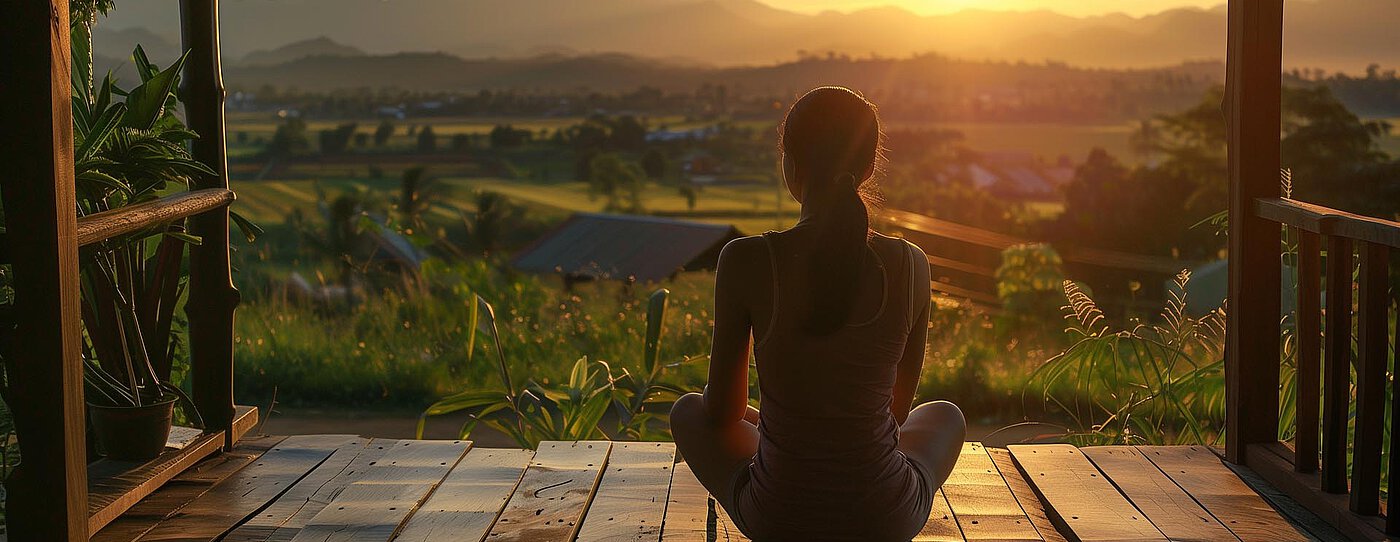
Gatekeeping and slow travel belong together
Slow travel is about attention rather than accumulation. Gatekeeping is about discretion rather than exposure.
A personal, not performative choice
At Farmtravel, we see gatekeeping less as exclusion and more as intimacy. Some places lose something when they are immediately shared, labelled, and evaluated. Others need time to be understood, or simply to remain what they are.
Not every experience gains value by being visible. And not every journey needs proof. Choosing not to share everything can be a way of staying present, rather than performing presence for others.
Why local communities are part of this conversation
Small rural communities operate on limited scales. They rely on informal rhythms, seasonal work, and personal relationships. A sudden surge of attention can disrupt these systems quickly, sometimes irreversibly.
Thoughtful gatekeeping doesn’t stop travel, but it can soften its impact. When visitors arrive gradually, places have time to adapt, respond, or say no. That space matters.
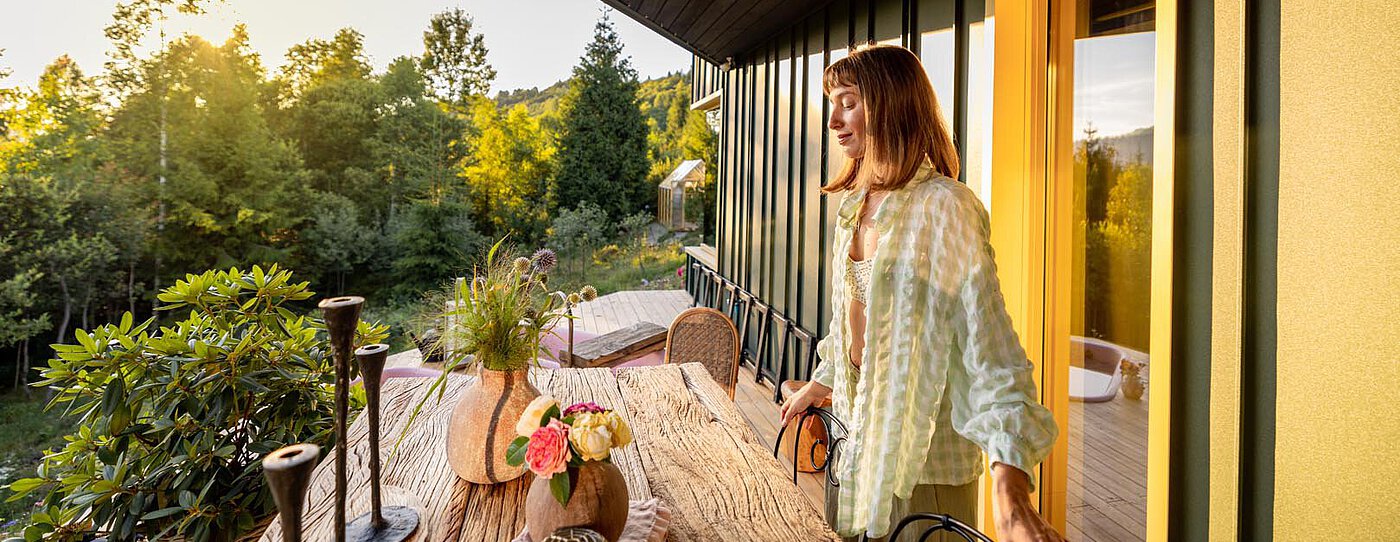
Finding your own quiet place
Your quiet place might be a farm you reached by chance, a guesthouse without signage, or a path you walked without taking photos.
Gatekeeping and slow travel belong together
Slow travel is about attention rather than accumulation. Gatekeeping is about discretion rather than exposure.
Both question the assumption that everything must be shared, mapped, and optimised. Sometimes meaning emerges precisely because something isn't rushed into public view. Silence, boredom, even anonymity can deepen an experience — and make it more personal.
Finding your own quiet place
Gatekeeping doesn’t require secrecy forever. It simply asks for intention.
Your quiet place might be a farm you reached by chance, a guesthouse without signage, or a path you walked without taking photos. It doesn’t need to be hidden, just respected. Some places are better held lightly.
In a culture that rewards constant sharing, choosing restraint can feel uncomfortable. Almost wrong. But care often feels that way at first.
Gatekeeping, when it grows out of respect rather than control, isn’t about keeping others out. It’s about recognising limits — of places, of communities, of moments that don’t need to be amplified to matter. Some journeys aren’t diminished by staying quiet. They’re deepened by it.
Frequently asked questions
Choosing not to publicly share exact locations to limit pressure on destinations. Often it’s about timing and care, not secrecy.
Not necessarily. It can be a way to respect places that can’t absorb sudden attention.
It can slow exposure. It doesn’t solve everything, but it creates breathing space.
Both prioritise presence over visibility. Experience first, sharing second — if at all.
No. Gatekeeping is about choice, not silence.
More inspirations
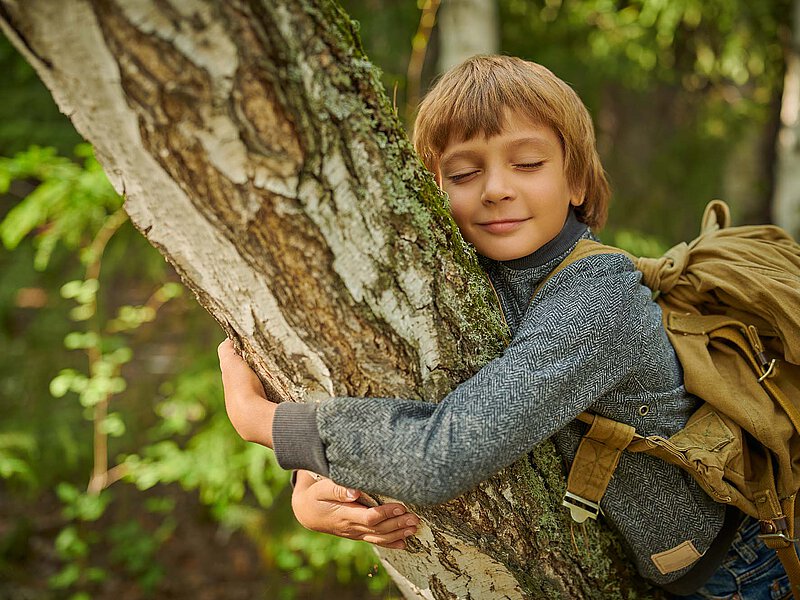
Why hugging a tree belongs in a countryside holiday
Most of us spend our days touching glass, screens and polished surfaces. A countryside holiday changes that quietly: bark, soil, grass, stone, rain,…
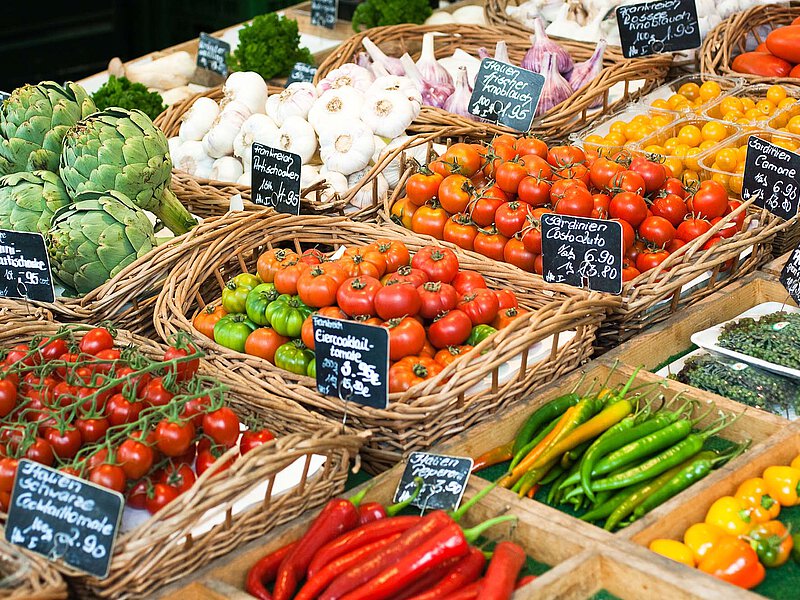
Eat where you travel: why local food matters on rural holidays
Many people travel to the countryside for calm, landscapes, real markets, good food, small places, a rhythm that does not keep demanding attention.…
Countryside Holidays: What Kind of Stay Actually Fits?
A search for countryside holidays rarely means “just somewhere rural”. Underneath it there is usually something more specific: good walking, proper…